
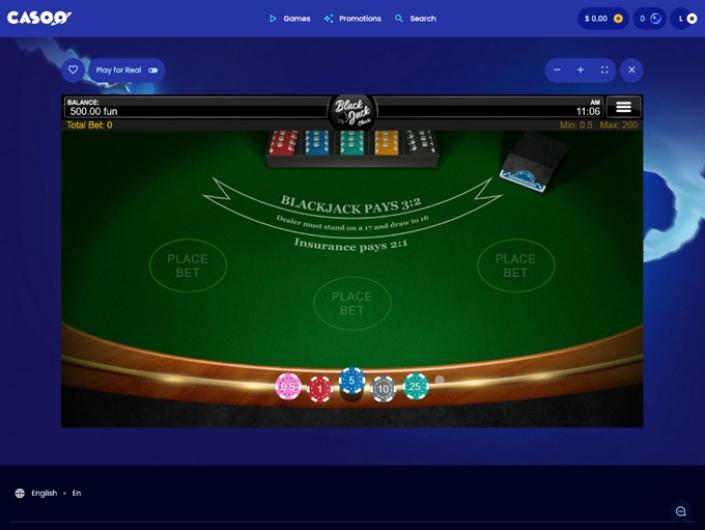

In the realm of online gaming, data usage can greatly affect the experience of players, especially those on limited plans in the UK. Casoola Casino, known for its high-definition games and live dealer options, creates a unique challenge. Users must constantly manage the balance between immersive gameplay and data limits. As pressures increase over unexpected usage, analyzing how players adapt and optimize their choices becomes essential. What strategies are most effective, and how can casino operators assist in this regard?
As online gaming continues to gain traction, understanding data usage becomes vital for both players and operators. Players often ignore the volume of data their gaming activities generate, while operators need a keen awareness for optimizing player engagement and resource allocation. Typically, streaming games may use between 1 GB to 2 GB of data per hour, depending on the graphics quality and online connectivity. Additionally, extra data is consumed by updates, in-game transactions, and third-party applications. Examining these metrics is essential, as high data usage not only impacts user experience, but also affects players’ choices regarding internet plans. Consequently, operators must prioritize efficient data management strategies to enhance gameplay while ensuring users retain control over their data consumption decisions.
Many gamers on restricted data plans in the UK face distinct challenges when navigating the world of online gaming. For these users, the need to monitor data consumption becomes paramount, as every game session can consume substantial amounts of data. They often experience concern over unanticipated usage, which can suddenly deplete their allowances. Additionally, the choice of gaming platforms can impact their tactical approach—favoring lighter, less data-intensive options over highly graphical titles. Players must also contend with the potential irritation of lag or disconnections, which can occur during peak data usage times. Ultimately, navigating this landscape requires players to possess a sharp understanding of their gaming habits and a preventive approach to data management, ensuring a fulfilling experience without exceeding their limits.
The types of games available at Casoola Casino greatly affect data usage among players, particularly regarding streaming requirements. While some games require higher bandwidth due to graphics and interactivity, others consume less, resulting in significant variability in data consumption. This disparity is essential for users on mobile plans, as it can affect both their experience and their overall data costs.
While various games within the Casoola Casino platform offer distinct experiences, their data usage can vary considerably based on multiple factors. Streaming high-definition video slots necessitates more bandwidth than classic 2D games, as visual fidelity greatly affects data flow. Live dealer games also place a heavier load, requiring continuous streaming to sustain real-time interactions, which increases usage further. Mobile devices can also impact data consumption, particularly if settings are optimized for high-quality graphics. Additionally, multiplayer games usually necessitate more data due to continuous communication among players. Understanding these details is essential for players seeking to manage data efficiently while relishing the rich offerings of Casoola Casino without going over their limits.
Understanding how diverse types of games influence data consumption is essential for players aiming to enhance their experience. Slot games typically use the smallest data, as their graphics are simpler and gameplay is less intensive. In contrast, live dealer games require considerably more data due to constant video streaming and real-time interactions. A session of poker or blackjack with a live dealer can consume several megabytes per minute, potentially straining limited data plans. Additionally, immersive video slots with high-definition graphics can also influence data use, albeit to a smaller extent than live games. Players should be conscious of these dynamics to manage their gaming habits successfully and avert unexpected data overages, thereby maximizing their enjoyment of Casoola Casino.
As gamers engage in diverse casino games, the impact on their mobile data plans becomes increasingly evident, especially when contrasting different game types. Slot games, with their image-based density and animated animations, typically consume more data than classic table games like blackjack or poker, which are largely textual and require negligible data use. Live dealer games further amplify data consumption, as they stream HD video directly to the player’s device, considerably increasing bandwidth usage. On the other hand, simple casual games may only require a fraction of the data compared to more sophisticated offerings. Understanding these differences enables players to enhance their mobile plans, ensuring they select the right games without inadvertently incurring extra data charges.
To efficiently manage data consumption while enjoying Casoola Casino, players can utilize several strategic measures. Adjusting streaming quality can greatly reduce bandwidth usage, while limiting background applications guarantees that the device’s resources are focused on gaming activities. Additionally, using lightweight versions of apps can further enhance data efficiency without compromising the overall gaming experience.
Adjusting streaming quality is a essential strategy for reducing data consumption, especially for those who often engage with online casinos like Casoola. By employing lower resolution settings, users can significantly reduce the amount of data consumed during gaming sessions. Many platforms offer adaptive streaming options, automatically adjusting quality based on connection strength; however, manual adjustments provide even greater control. For instance, switching from HD to standard definition can reduce data usage by over 50%, allowing for extended play without unexpected data overages. Moreover, users should consider how often they stream versus download games or videos, balancing quality and consumption rates. Mastering this technique ensures that players can enjoy their online experiences while remaining within their data limits.
Reducing data consumption requires vigilance in managing not just streaming quality but also the applications running in the background. Many users overlook background apps, which can silently consume substantial data. By limiting these applications, individuals can reduce overall data usage substantially. This can be achieved by systematically closing or disabling apps that aren’t in active use, ensuring that only essential services remain operational. Additionally, controlling which applications can refresh or sync data in the background is vital. Users can explore their device settings to selectively restrict permissions, enabling efficient data management. Consequently, adopting these strategies enhances one’s mastery over data consumption, ultimately leading to a more controlled and efficient experience when engaging with online platforms like Casoola Casino.
While many users enjoy the full functionality of standard software, opting for lite versions can greatly enhance data efficiency without sacrificing essential features. Lite versions are specifically designed to consume less data, making them ideal for users on limited plans. They cache fewer graphics, reduce background processes, and streamline core functionalities, which together translate to significant data savings. Furthermore, when users engage with platforms like Casoola Casino, utilizing lite versions can lead to a smoother experience, especially in environments with unreliable connectivity. By prioritizing these alternatives, users can maintain their gaming experience while effectively managing data consumption. Ultimately, selecting lite versions fosters a pragmatic approach, aligning performance with the constraints of limited data plans.
As casino operators navigate the complex landscape of gaming regulations and player safety, their role in promoting responsible gaming becomes not only essential but also a critical component of industry integrity. These operators must implement extensive measures, such as self-exclusion programs and deposit limits, to empower players in making informed decisions. By fostering a culture of accountability, they can mitigate the risks associated with gambling. In addition, training staff to recognize signs of problem gambling enhances the ability to intervene effectively. Partnerships with organizations dedicated to gambling addiction awareness further bolster their commitment, presenting casinos as responsible community members. Ultimately, embracing these strategies positions operators as proactive guardians of player well-being, reinforcing the notion that gaming should always be a source of entertainment, not distress.
Understanding data tracking is important for gamers navigating the digital gambling landscape, especially in light of the insights it can provide regarding their gambling habits. By monitoring their gaming activities, users can identify patterns, frequency, and expenditure, which fosters a deeper awareness of their actions. This analytical approach allows them to set personal limits and make informed decisions, essential for responsible gaming. Additionally, information monitoring can highlight potential red flags, such as escalating wagering or extended sessions, allowing users to take corrective measures before overindulgence sets in. Ultimately, leveraging these insights empowers players to cultivate a healthier connection with online gaming, reinforcing control over their betting activities while enhancing overall enjoyment. Understanding this aspect is fundamental for best participation.
With rapid advancements in technology and evolving gamer demands, online gaming is set to experience major transformations in the domain of data usage. New trends suggest a shift toward more advanced information analysis, allowing operators to customize experiences based on instant player behavior and likes. As AI algorithms become more refined, personalized play settings will boost participation and commitment. Additionally, the growing integration of blockchain technology promises enhanced information safety and clarity, tackling player worries about privacy. Furthermore, the continued growth of portable devices will necessitate more effective information handling methods, guaranteeing seamless gameplay regardless of the device. It’s crucial for industry stakeholders to adjust swiftly, utilizing these developments to stay competitive in an ever more data-centric environment.
To monitor data usage while gaming, he’d examine his device settings for network statistics. Alternately, using third-party apps could provide insights into real-time consumption, ensuring he maintains a balance between play and data management.
Using a VPN can impact data consumption slightly, as encrypted traffic may require more overhead. Nonetheless, the overall impact depends on various factors, including the VPN’s efficiency and the types of data transmitted during gaming sessions.
Typically, desktop versions tend to be more data-intensive than mobile counterparts due to larger graphics, higher resolutions, and additional features. Users might observe increased consumption, especially when using resource-heavy applications or streaming content.
Yes, streaming quality settings substantially impact data usage. Higher resolutions consume more bandwidth, while lower settings decrease consumption. Users should optimize settings based on their data limits to preserve performance without surpassing usage thresholds.
Network conditions like low latency, high bandwidth, and stable connectivity can greatly improve data efficiency during gaming. A reliable connection reduces lag, improving user experience and decreasing unnecessary data consumption while maintaining smooth gameplay.